Discover Beacon top Paving Contractor for Driveway Paving
Discover Beacon top Paving Contractor for Driveway Paving
Blog Article
Paving Solutions: Transform Your Property With Trusted Paving Services
Professional paving services offer considerable advantages for real estate enhancement. They not only improve aesthetics but also increase functionality. Choosing the best materials, such as asphalt or interlocking pavers, can guarantee durability and style. The installation process is critical for achieving lasting results. Yet, many homeowners overlook essential maintenance practices that can extend the life of their investment. Understanding these elements is vital for informed decision-making about outdoor spaces. What comes next may surprise you.
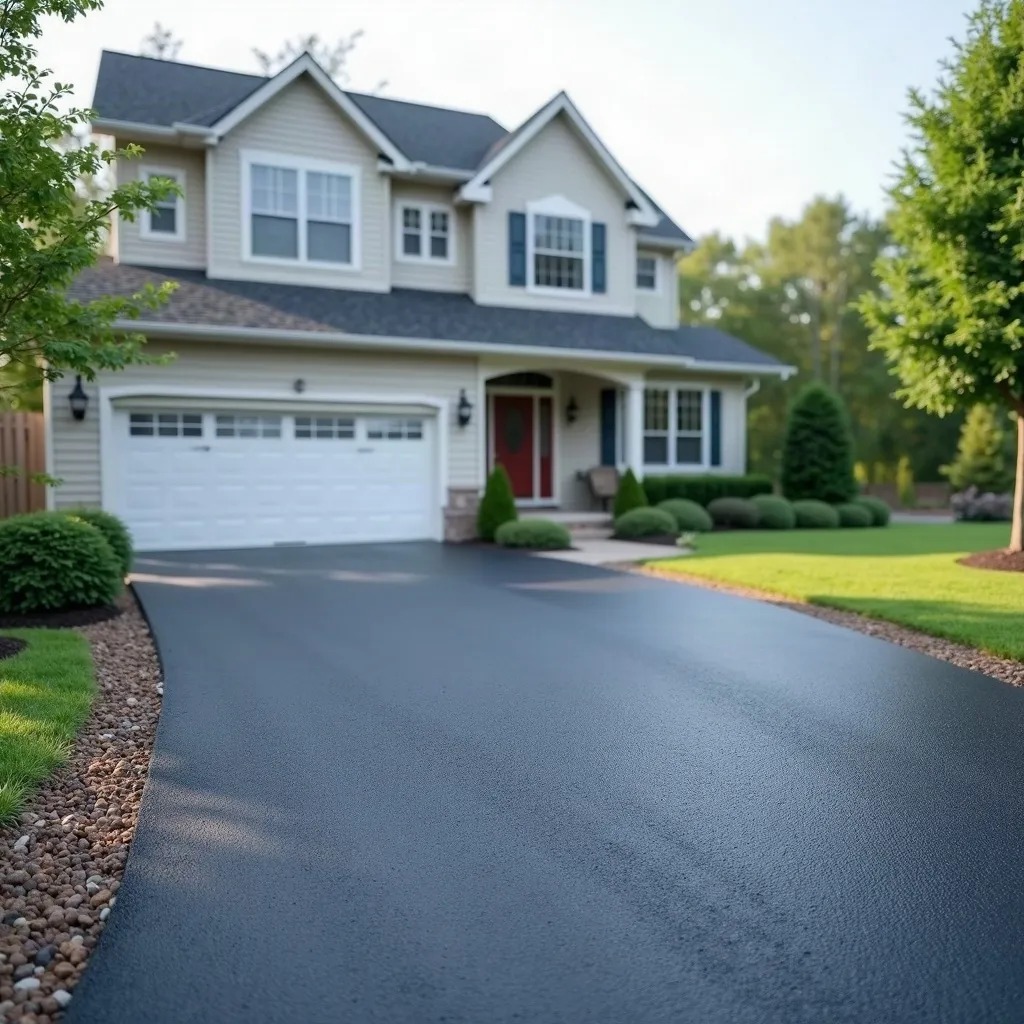
Why Professional Asphalt Solutions Enhance Your Property
Professional pavement services enhance outdoor spaces, increasing both functionality and appearance. By implementing expert methods and cutting-edge machinery, these offerings guarantee the thorough preparation and placement of multiple pavement surfaces. This meticulous attention results in resilient, long-lasting outcomes that resist wear and tear while maintaining visual appeal.
Additionally, professional paving boosts real estate worth, building welcoming walkways, driveways, and patios that attract potential buyers. A well-maintained pavement enhances safety by reducing risks like uneven ground and abundant dirt, supporting a more delightful outdoor atmosphere.
In addition, proficient experts can supply specialized designs adapted to user preferences, guaranteeing that each project harmonizes with the property's distinctive nature.
Pick the Premium Pavement Options for Your Work
What approach should homeowners take when selecting the best paving materials for their work? The right material selection is vital for aesthetic appeal and how well it works.
First, landowners should consider the specific use of the paved area. For driveways, durable materials like asphalt or concrete are often selected due to their strength and longevity. In contrast, for patios or walkways, options such as pavers or bricks can offer visual appeal and versatility.
Next, climate plays a significant role. Locales with excessive precipitation may take advantage from permeable materials that allow for better drainage, curtailing the risk of deluge.
Also, upkeep demands should be reviewed; some materials require more maintenance than others.
Finally, financial constraints will influence the selection. While high-grade materials may involve a larger initial expense, they commonly achieve long-term financial benefits through toughness and lower repair expenses.
Consequently, thoughtful evaluation of these factors will guide property owners to make well-reasoned decisions.
Asphalt Paving Positives
Asphalt surfacing emerges as a top choice for homeowners looking for durable and affordable alternatives for their pathways and driveways. One of its primary benefits is its resilience; asphalt can endure heavy traffic and harsh weather conditions, making it ideal for residential use.
Additionally, asphalt is relatively affordable versus other paving materials, enabling homeowners to attain a high-quality appearance without breaking the bank. The installation process is also streamlined, typically completed within a day, reducing disruption to daily life.
In addition, asphalt is straightforward to maintain, calling for just periodic protective coatings to prolong its lifespan. These advantages make asphalt paving a practical and intelligent decision for boosting property aesthetics and functionality.
Interlocking Paver Perks
Homeowners assessing paving options discover that interlocking pavers give distinct advantages that increase both visual appeal and functionality.
These versatile pavers come in various shapes, colors, and textures, permitting artistic design choices that can suit any property style. Additionally, interlocking pavers provide exceptional durability, preventing cracking and shifting, which is particularly valuable in regions with varying temperatures.
Furthermore, their unique aesthetic facilitates effective water drainage, lowering the danger of flooding and erosion. This permeability also enhances ecological responsibility by permitting rainwater to restore groundwater supplies.
Finally, the ease of installation and maintenance makes interlocking pavers a sensible option, guaranteeing that property owners can appreciate their attractive pavement without excessive upkeep.
Initial Site Assessment
Which aspects impact the preliminary site evaluation for paving installation? Several vital elements are key during this essential stage. First, the land’s topography is analyzed to identify any slopes or drainage problems that may affect the paving process. Then, the current soil conditions are evaluated, as different soil types can affect stability and durability. Also, site accessibility is taken into account to figure out how equipment and materials will be moved. Local regulations and zoning laws are examined to ensure compliance. Finally, existing structures and vegetation are examined to account for any necessary removal or protection. This thorough evaluation lays the groundwork for a successful paving project, making sure that all possible challenges are managed from the beginning.
Setup Processes Illustrated
After a extensive site inspection has been concluded, the paving installation process can begin.
The preliminary stage covers site preparation, where any pre-existing debris are disposed of and the ground is leveled. In the next step, a lower layer is applied, commonly containing stone aggregate or crushed stone, which delivers firmness and water management.
Next, the selected surfacing option—such as asphalt or concrete—is laid down. This phase demands meticulous work to ensure a smooth finish and proper alignment.
After the paving is installed, it is compacted to increase durability. Finally, the curing process happens, allowing the material to solidify properly.
During the entire undertaking, clear dialogue with the property owner is critical to resolve any worries and confirm approval with the final result.
Pavement Upkeep Guidelines for Long-Term Lifespan
While asphalt areas are built for strength, regular maintenance remains vital to guarantee their longevity. Routine inspections should be conducted to spot surface damage, holes, or deterioration. Prompt repairs can prevent continued deterioration and increase the useful life of the asphalt.
Additionally, maintaining the surface clean is essential; dirt, leaves, and dirt can hold moisture, causing deterioration. Regular cleaning and periodic power washing assist maintain a clean appearance and functionality.
Applying sealant every few years can protect the surface from weathering and UV damage, while also improving its aesthetic appeal.
To summarize, addressing drainage difficulties is vital. Proper drainage systems prevent water gathering, which can weaken the paving material over time.
How to Identify a Trustworthy Paving Contractor
Securing a solid paving contractor represents an essential step for property owners intending to install or enhance their paving surfaces. To begin, individuals should gather recommendations connected information from friends, family, or local businesses that have not long ago carried out paving projects. Online reviews and testimonials can also give insights into a contractor's reputation.
Once potential service providers are located, it is essential to verify their credentials, including licenses and insurance. A professional builder should provide a comprehensive written quote that describes the project parameters, materials, and timeline.
Additionally, requesting endorsements from previous clients can help evaluating the contractor's credibility and quality of work. It's furthermore advisable to ask about guarantees on materials and workmanship.
Ultimately, maintaining open communication and transparency during initial consultations can foster a confident partnership, leading to a successful paving project that meets expectations.
Frequently Asked Questions
How long Does a Typical Paving Project Take to Finish?
A standard asphalt job generally takes one to three days to complete, depending on factors such as the size of the project, complexity, weather conditions, and preparation requirements. Proper planning can help streamline the work effectively.
What Approvals Do You Require for Paving Placement?
As a rule, asphalt paving calls for permits like local building permits, zoning approvals, and environmental studies. Standards vary by locality, so reaching out to area officials confirms compliance with required legal conditions for the project.
Is Paving Possible During Winter or Rainy Seasons?
Paving can be difficult during winter or rainy seasons due to thermal fluctuations and dampness. Cold weather can disrupt proper curing, while excessive rain may cause finishing defects, leading to potential long-term damage. Careful planning is indispensable.
What Can I Do if My Pavement Develops Cracks?
When pavement shows fractures, the first step is to assess the damage. Following that, clean the region thoroughly, fill the cracks with appropriate sealant, and consider expert services to avoid additional damage and maintain safety.
How can I confirm if my paving contractor possesses a license?
To establish whether a paving contractor is licensed, you need to confirm credentials with local licensing boards, request a copy of their license, and ensure insurance protection, making certain they meet industry regulations and safety standards.
Report this page